Skip to content
Buyer case studies

See the business problem before the workflow diagram.

These examples are for buyers who need the context, operating problem, system design, and outcome before booking a review.

Inspect Architecture
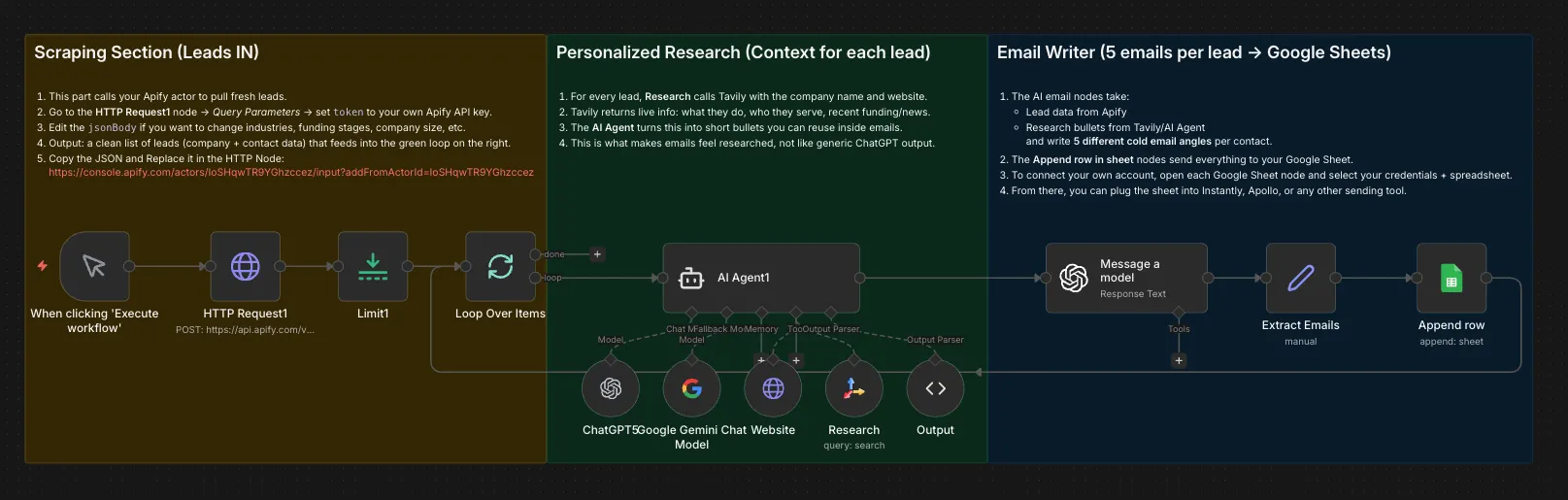
Governed Outbound Workflow
Response: 48hrs → 12min+34% reply rate

Governed Outbound Workflow

Context

B2B team with a small sales bench and no appetite for another manual prospecting process.

Problem

Lead research, enrichment, personalization, CRM updates, and follow-up timing lived across separate tools with no reliable owner.

System

Approved data sources, enrichment checks, CRM sync, human review points, and outbound sequencing were connected into one workflow.

Business outcome

Qualified meetings increased while response time dropped from 48 hours to 12 minutes, without adding manual follow-up load.

  • Data sources and CRM ownership defined before automation
  • Personalization generated inside a controlled review path
  • Bi-directional CRM sync so sales activity stayed auditable
Inspect Architecture
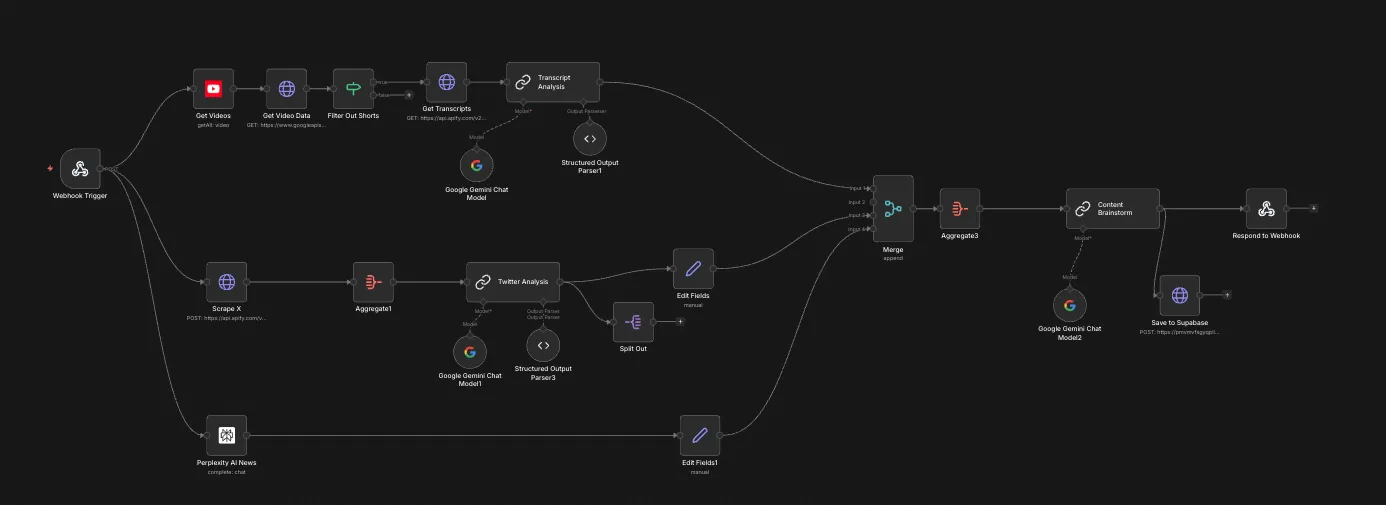
Content Intelligence Pipeline
0 → 30 ideas/week2.1M impressions

Content Intelligence Pipeline

Context

Founder-led content team that needed more market signal without turning research into another full-time job.

Problem

Trend review, post analysis, and idea selection happened manually, which made publishing dependent on founder attention.

System

The workflow scans approved sources, clusters themes, flags evidence, and turns market signal into a weekly idea queue.

Business outcome

The team moved from sporadic ideation to a repeatable 30-idea weekly pipeline backed by source material.

  • Approved source list for market and competitor monitoring
  • Scoring layer to separate reusable signal from noise
  • Slack delivery with links back to source evidence
Inspect Architecture
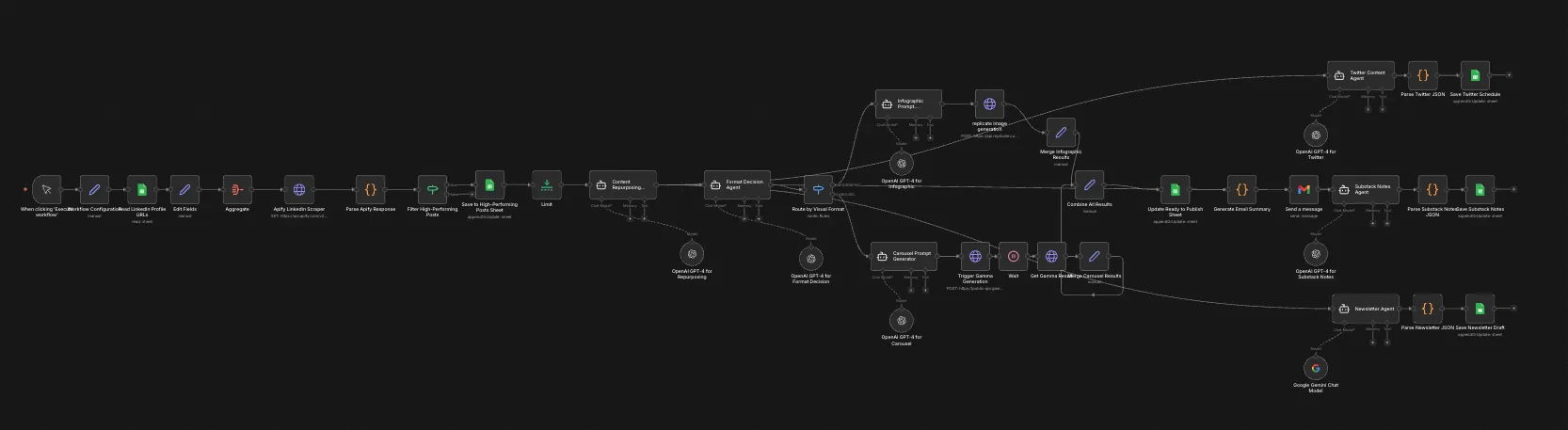
Controlled Content Production System
8hrs → 45min/week5x output

Controlled Content Production System

Context

Operator-led team with useful raw ideas but inconsistent publishing and review throughput.

Problem

Drafting, repurposing, approval, and scheduling were fragmented, so good ideas often stalled before publishing.

System

Raw notes became structured drafts, channel variants, approval checkpoints, and scheduled assets with ownership at each step.

Business outcome

Weekly production time fell from eight hours to 45 minutes while output increased across the same approval surface.

  • Human approval preserved before anything shipped
  • Reusable prompts and templates documented for the team
  • Multi-platform scheduling without exposing source material

Book the 20-minute AI review

Bring the messy version: public AI usage, unclear policy, vendor pressure, or a department asking for approval. Leave with what to inspect first.

20 minutes: first exposure, first owner, next decision
Your data stays yours — NDA on day one
Book AI review

Opens Cal.com to select your slot

01

First department

Where AI usage is already creating risk, leverage, or process drift.

02

Exposure surface

The workflow, data path, or approval gap leadership cannot see yet.

03

Next decision

Audit, workshop, or private pilot scope if the risk is real.

Need context first? Read the proof, case studies or get the weekly brief.

Q2 AI readiness window

Find the shadow-AI risk before it becomes policy debt.

In 20 minutes, we'll identify the department to review first, the AI usage surface you can't see yet, and whether a readiness audit, workshop, or private AI pilot is the right next step.

NDA-ready20-minute executive reviewNo tool pitchFor regulated or data-sensitive teams

Best fit: CTOs, operators, and compliance leads who need a governed first AI use case.

Review output

Your first governed AI use case

Actionable
01

First department to review

Where AI usage is already creating leverage, risk, or hidden process drift.

02

Shadow-AI exposure surface

The workflows, data paths, and approval gaps leadership cannot currently see.

03

Approval-worthy next step

A readiness audit, workshop, or private pilot scoped for governance first.

The urgency is not hype. Once teams normalize ungoverned AI habits, cleanup becomes policy debt, retraining, and slower approvals.